


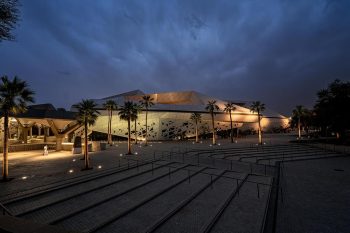
La Meduse leads the creative direction of the Black Gold Museum in Riyadh, a new cultural destination that transforms oil from an industrial resource into a layered artistic, social, and sensory narrative. Located within the KAPSARC campus, originally designed by Zaha Hadid Architects, the museum occupies a former research library and turns it into an immersive environment where oil becomes art, memory, and experience.
The project begins with a simple but powerful question: how can something so central to modern civilization remain so visually and culturally invisible? Curated by Christian Janicot, the museum explores oil not only as a material of energy, economy, and industry, but also as a force that has shaped imagination, daily life, geopolitics, design, and contemporary culture.
A Cultural Journey Through Oil

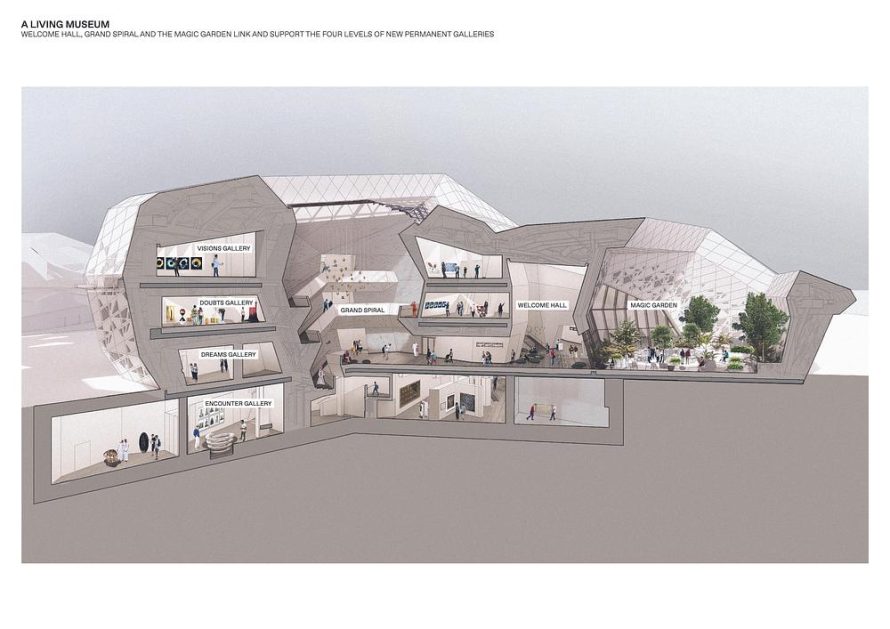
The Black Gold Museum is structured around four thematic chapters: Encounter, Dreams, Doubts, and Visions. These chapters guide visitors through a timeline of fascination, expansion, dependency, questioning, and future projection. Rather than presenting oil as a purely technical subject, the museum frames it as a civilizational story told through art, design, and immersive media.
More than 350 artworks and installations are brought together across disciplines including photography, sculpture, painting, film, comics, fashion, design, digital art, and large-scale installation. International artists such as Wim Delvoye, Adel Abdessemed, Jimmie Durham, Edward Burtynsky, Christo, and Ugo Rondinone appear alongside Saudi artists including Ahmed Mater and Muhannad Shono, creating a broad dialogue between global and regional perspectives.
Design as Narrative Environment
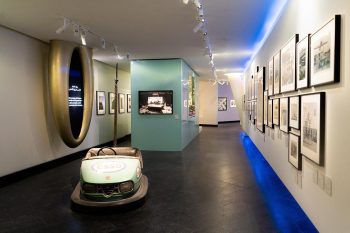
The museum is conceived as a total experience, where scenography, lighting, graphics, sound, and digital installations work together rather than competing for attention. Agence NC, led by Nathalie Criniere, develops a spatial dramaturgy that gives each chapter its own material atmosphere, from dense and mineral spaces to more open and luminous sequences.
Lightemotion designs the lighting as a subtle narrative tool, revealing both architecture and artworks while guiding the visitor through changing moods. This is especially important in a museum where objects vary widely in scale and medium, from delicate images to monumental installations. Here, light does not simply illuminate; it shapes perception, rhythm, and emotional response.
Immersion Beyond Digital Display
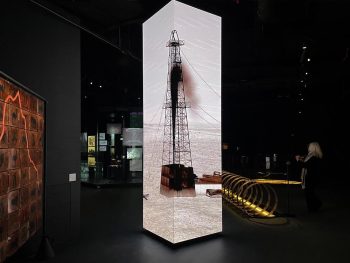

La Meduse and Nokinomo extend the museum experience through bespoke immersive and interactive installations. These digital environments use moving images, data, sensory effects, and spatial sound not as decorative spectacle, but as tools for storytelling. Technology, thankfully, is not left alone to shout in the corner like it often does.
Interactivity in the Black Gold Museum is not limited to screens or information panels. It is designed as an embodied experience, engaging the visitor through movement, perception, and emotional response. This approach allows the museum to move beyond passive viewing and become a place where visitors physically and intellectually encounter the hidden presence of oil in everyday life.
A New Model for Contemporary Museums
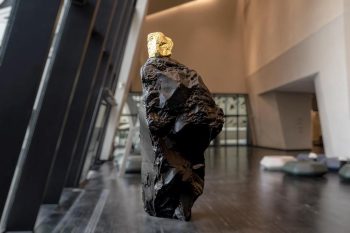
The transformation of the original research library into a four-level museum was carried out by DaeWha Kang Studio, creating a continuous visitor journey across permanent galleries, temporary exhibition spaces, a cafe, events garden, offices, and art-handling areas. The result is a museum that balances curatorial depth with spatial continuity, allowing content and architecture to support one another.
At a time when oil remains central to environmental, cultural, and geopolitical debates, the Black Gold Museum offers a more nuanced way to engage with the subject. It avoids reducing oil to a simple industrial timeline, instead presenting it as a material embedded in beauty, contradiction, dependency, invention, and collective imagination.
With La Meduse guiding the project from concept to completion, the Black Gold Museum becomes more than a museum about oil. It becomes a contemporary cultural framework where art, design, architecture, and immersive storytelling converge to make the invisible visible.
| Technical Sheet | |
|---|---|
| Project Name | Black Gold Museum |
| Location | KAPSARC Campus, Riyadh, Saudi Arabia |
| Client | Museums Commission, Ministry of Culture |
| Original Architecture | Zaha Hadid Architects |
| Museum Transformation | DaeWha Kang Studio |
| Concept Development & Creative Lead | La Meduse |
| Curator & Narrative Direction | Christian Janicot |
| Scenography | Agence NC – Nathalie Criniere |
| Lighting Design | Lightemotion |
| Graphic Design & Visual Identity | Anamorphee |
| Digital Creation & Immersive Installations | La Meduse |
| Interactive Design | Nokinomo |
| Sound Design | Reno Isaac |
| Film Direction | Edoardo Cecchin, Alexandre Chevreuil, Edouard Lecomte, Michel Prat |
| Gross Floor Area | 6,800 sqm |
| Site Area | 5,585 sqm |
| Number of Floors | 4 |
| Gallery Spaces | 4 galleries |
| Collection | 350+ artworks and installations |
| Programme | Permanent galleries, temporary exhibition hall, cafe, events garden, offices, art handling and logistics spaces |
| Project Timeline | Approximately 5-6 years from concept development to opening |
| Selected Artists | Wim Delvoye, Adel Abdessemed, Jimmie Durham, Edward Burtynsky, Christo, Ugo Rondinone, Ahmed Mater, Muhannad Shono, and more |