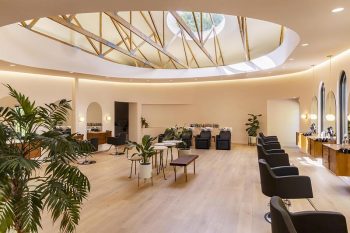
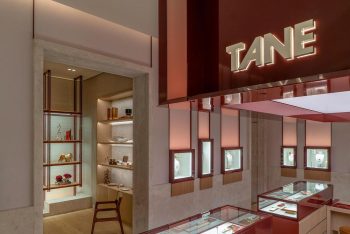
Collectible design sits in an interesting space between furniture and art. A piece may perform an ordinary task while also asking to be considered for its authorship, material and making. Istanbul gallery ARKOBJECT provides one current example of that approach. Its programme is useful for thinking about how distinctive objects enter interiors, without assuming that a gallery selection proves a wider market trend.
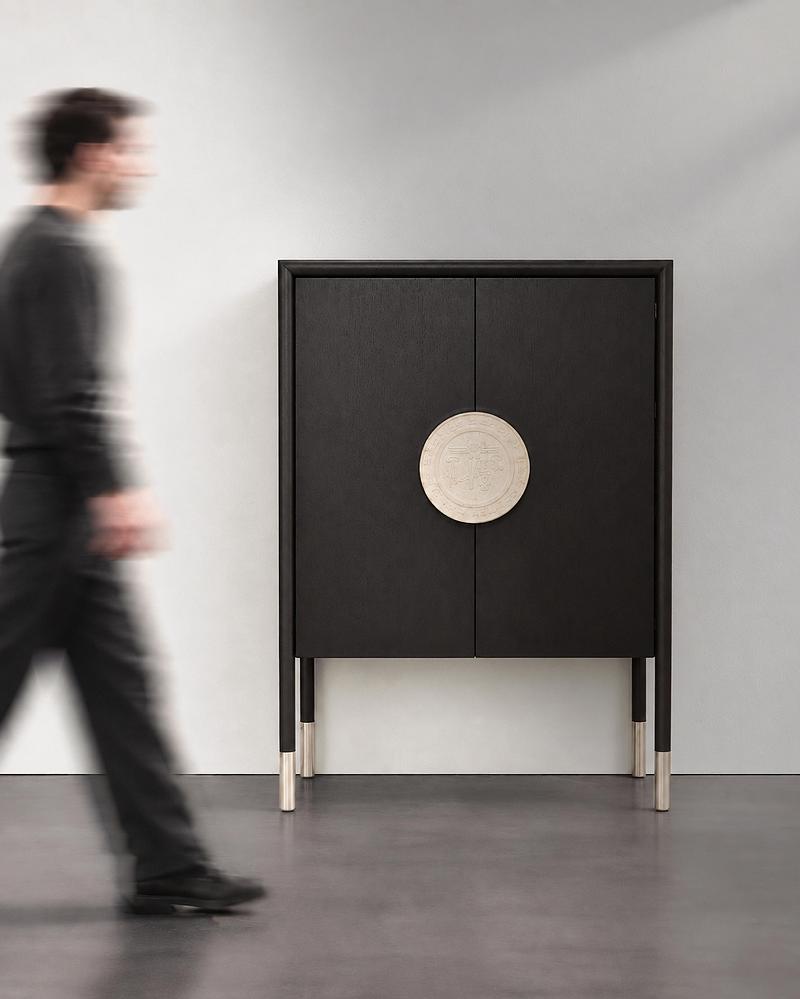
Start with the object, then its setting
On its official website, ARKOBJECT describes a curatorial focus on collectible objects, limited editions and contemporary making. The interesting interior-design question is how an object earns its place in a room. Shape and surface matter, but so do circulation, visual balance and the relationship to things already there. Those are editorial considerations, rather than specifications supplied by the gallery.
A sculptural piece need not become the loudest object in a space. It can provide a point of attention that changes how a quieter background is read. Before committing to that role, a designer would still need to check dimensions, the intended use and any practical constraints for the particular installation.
Ask what making contributes
The gallery's October 1 press release emphasizes relationships between Istanbul-based creative practices, artisans and specialist workshops. It also describes an editions programme developed collaboratively from early ideas through production. That account makes process part of the curatorial story. It does not, by itself, establish durability, repairability or environmental performance for every object presented.
For an interior project, a useful response is to ask specific questions about fabrication rather than treating handmade as a universal quality guarantee. Where are the joints? Can a finish be repaired? What care does the maker recommend? These are questions for subsequent specification work; the release supplies no general answers across the collection.
Separate authorship from visual similarity
The official catalogue lists Animate Objects' Colette Table as aluminium with a brass-plated finish, and its Lucia Side Table as powder-coated iron. Even this small comparison shows why colour or silhouette cannot substitute for checking material descriptions. Objects that occupy a similar decorative role can have different construction and maintenance considerations.
The gallery also places furniture alongside lighting, mirrors, sculpture and wall art. Its press kit frames that mixture as a conversation between distinct practices. Reading the maker and material information alongside the display helps preserve those differences. A coherent interior does not require every piece to share an origin or technique.
Keep collectibility claims in perspective
One-of-a-kind works, limited editions and bespoke pieces appear in the gallery's stated programme. Those labels describe production or commissioning arrangements; they should not be read as promises of investment returns. The sources reviewed do not establish resale performance, a general price range or a common lead time for the works.
ARKOBJECT is most useful here as a case study in curating objects for their making and spatial presence. For readers planning interiors, the practical takeaway is a method: identify the author, verify the material, understand the intended use and examine how the piece relates to its setting. Appreciation can start with appearance; responsible specification needs more information.