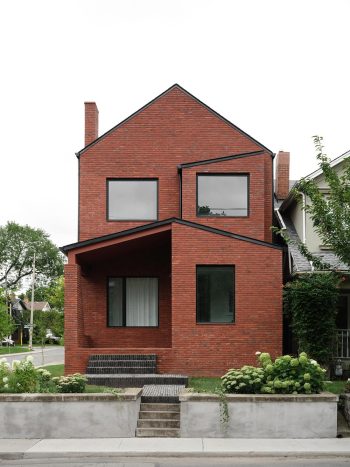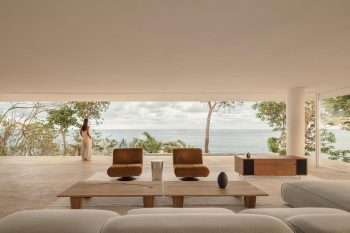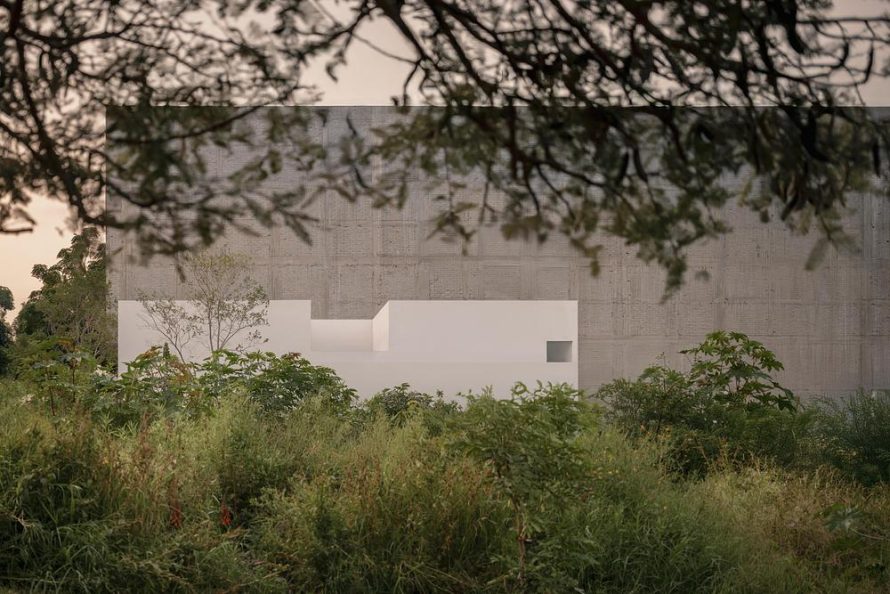
Kehai House in Morelia, Mexico, designed by HW Studio, redefines domestic space through an introspective architectural language rooted in void and stillness. Conceived as the personal residence of the architect, the project reflects a deeply philosophical approach influenced by Japanese thought and Zen practice. In this house, HW Studio shifts the focus away from objects and toward the empty space that gives life meaning.
The Void as the True Center
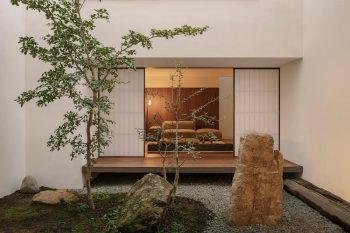
Rather than organizing the home around rooms or functions, the design positions a central void as its core. This void is expressed through a stone garden, which acts not as decoration but as the spatial anchor of the entire composition. Inspired by traditional Japanese temples, the garden invites contemplation and silence, becoming the emotional and physical heart of the house.
The arrangement of stones and gravel avoids symbolism, instead evoking sensations that shift with time and light. Two floating wooden platforms hover above this landscape, functioning as moments of pause rather than conventional floors. This strategy transforms movement through the house into a deliberate, reflective act.
A Box That Protects Stillness
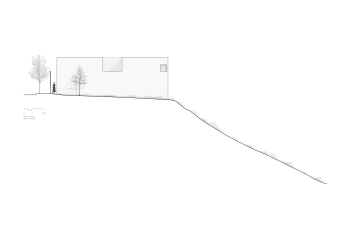
Externally, the house presents itself as a closed volume, almost austere in its simplicity. The box-like form reflects HW Studio’s consistent architectural language, yet here it takes on a more intimate role. The exterior shields a delicate interior world, emphasizing protection over expression.
Once inside, the perception shifts completely. What seemed rigid becomes soft, and what appeared closed becomes open. The architecture does not impose itself but quietly frames the presence of light, shadow, and material. The house becomes less about form and more about experience.
Living With Nature, Not Against It
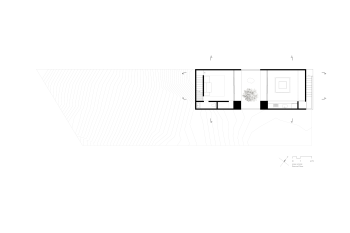
The internal program is divided around the central garden. On one side, a double-height kitchen and dining area create a vertical openness, while on the other, the living room offers a space for quiet reflection. Notably, there is no covered connection between these areas, forcing occupants to engage directly with the environment.
This deliberate exposure redefines comfort. Rain is not avoided but acknowledged; movement is not optimized but experienced. Architecture here rejects convenience in favor of awareness, subtly reminding inhabitants of their relationship with the natural world.
Light, Material, and Spiritual Gesture
The use of shoji screens introduces a soft, filtered light that transforms the interior atmosphere. Light becomes temporal rather than static, while shadows gain presence as active elements within the space. The house avoids excessive glazing, limiting openings to carefully framed views of a mountain, a tree, and a neighboring pine.
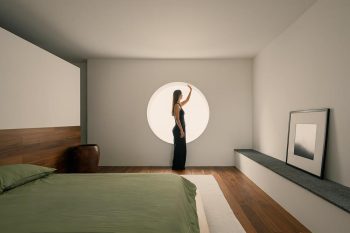
Even the entrance carries symbolic meaning. Visitors descend into the house, a gesture that evokes humility and introspection. The bedroom above, minimal and enclosed, features a single circular window that frames the central tree, reinforcing the connection between interior life and nature. In this restrained composition, HW Studio ultimately creates a dwelling that values silence over spectacle.
| Project Name | Kehai House |
|---|---|
| Architect | HW Studio |
| Lead Architect | Rogelio Vallejo Bores |
| Design Team | Oscar Didier Ascencio Castro, Nik Zaret Cervantes Ordaz |
| Location | Morelia, Michoacan, Mexico (View Map) |
| Completion Year | 2025 |
| Size | 95 m² |
| Structural Engineer | Abdiel Nunez Gaona |
| Contractor | Grupo GAPSE |
| Budget | 82,000 USD |
| Photographers | Cesar Bejar, Gustavo Quiroz |