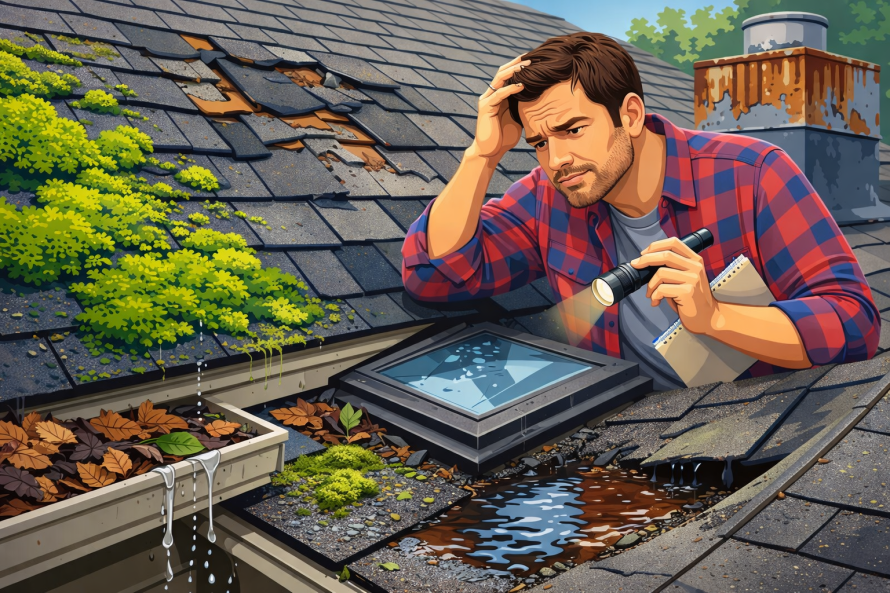
Buying a new home is a milestone that at the same time is very exciting, but the inspection process may also be very overwhelming, especially for first-time home buyers. Also, it is common for most buyers to pay close attention to the interiors, appliances, and visible structural elements; the roof often is given a very quick look over and may only get a couple of notes in the report. Later on, many homeowners realize that what they thought was a sufficient job in inspecting the roof actually left out very important details, which only present themselves after moving in.
These late notices put forward issues with new products; they can be very frustrating, and at times it is also hard to determine what is a cosmetic concern and what is an early sign of a large-scale problem. By which point homeowners are often in over their heads; what is commonly seen is that by bringing more attention to what is often looked over, homeowners are encouraged to come in at the early stages before a small issue turns into a large, expensive repair.
Visual Warning Signs That Seem Minor at First
During walk-throughs buyers pay attention to missing shingles and obvious damage. It is also easy to think that if the roof looks fine from the ground, there is nothing wrong. But also there are signs, which are in fact warning signs, that are either ignored or misinterpreted.
Dark marks, irregular coloration, or patchy spots on shingles are what many tend to think of as shadows or a sign of natural aging. Actually, though, these changes in color may be due to algae growth, mildew, or a buildup of debris, which in turn retains moisture against the roof surface. Also, while they may not at first cause a leak, over time they do in fact reduce the useful life of your roofing material.
Another typical issue is granule loss. Shingles made of asphalt will lose granules over time, but at an excessive rate, which may be a sign of aging or weather damage. Also, granules tend to collect in gutters and may also fall into the landscape, which may cause them to go unnoticed by the homeowner until drainage issues appear.
During the inspection process chimneys, vents, and skylights are often left out, which is an issue. What may at first only be minor lifting or corrosion may not be given the attention it deserves, but these little issues tend to become large-scale problems when heavy rain or storms occur.
Drainage Issues That Reveal Themselves Later
Roof drainage issues do not present themselves in short inspections, also if the weather is dry. Once homeowners see a few seasons of rain, issues become very apparent.
Gutters that are clogged or not sloped properly will cause water to pool at the edge of the roof, which in turn causes rot, mold growth, or fascia damage. Also, in some cases water will spill over the gutters and stain the siding, which presents as a wall issue when really the problem is at the roofline.
Valleys where two roof pitches come together are also a problematic area. Debris and leaves tend to accumulate in them, which in turn slows water flow and causes increased shingle wear. Also, because valleys are difficult to see from the ground, buyers may not notice a buildup issue until heavy storms cause water to back up.
Over time poor drainage will also play a role in premature roof aging. Constant moisture exposure, which is a result of poor drainage, also supports the growth of algae and moss in shaded areas, which in turn causes more water to be trapped and thus speeds up the deterioration.
Surface Staining That’s More Than Cosmetic
One out of every ten issues that come up after move-in is roof staining. Homeowners may at first think that the discoloration is only a result of the previous owner’s paint choice. But what they do not know is that years down the road the stains will be noticed to be spreading or darkening.
The black streaks you see are from algae, which do feed on limestone in shingles that are installed. Though not immediately destructive, algae growth does keep in moisture and causes shingles to absorb more heat, which in turn wears out shingles at a faster rate than normal weather wear.
Green spots or fuzzy growth, which is usually indicative of moss, is an issue to note. Moss roots will lift shingles and allow water in under them. If left unattended, this may cause leaks, wood rot, and insulation damage issues, which typically do not present themselves in a standard inspection.
As surface staining develops slowly, it is easy for homeowners to ignore what it is doing until the damage is done.
When Homeowners Realize It’s Not Just Looks
Homeowners usually put off action until they see bigger marks of wear and tear, continuous drainage issues, or higher energy bills, which they attribute to dark shingles’ effect on heat retention. By then it also dawns on them that what they thought was a surface issue was in fact a larger-scale maintenance issue that could have been caught early.
This is when homeowners frequently turn to professional roof cleaning services in Tallahassee FL to address buildup that regular rain cannot remove. What good professional roof care does is it gets rid of algae, mold, and debris without in any way damaging the shingles. Also, it gives the home back its former appearance and also increases the life of the roof.
It is important that proper cleaning also reports on which issues may be hidden under the present growth. These problems can be fixed early, which in turn will stop large repair bills or the roof’s premature death.
Why Post-Closing Roof Maintenance Matters
Home inspections are useful, but they are not a guarantee of long-term performance. At a single point in time inspectors note what is present and broken and what is not present at all, which does not include issues related to neglect or environmental exposure that may present themselves in the future.
For first-time home owners, there is value in putting together a routine for roof checkups and cleanings, which in the long run will ease your mind and protect what is often the most costly component of the home. Also, by taking care of small issues like stains, water drainage problems, and debris accumulation at the first sign of them, you will end up spending a lot less on major repairs down the road.
In many cases what homeowners miss is not a large issue; it is the gradual development of problems that only present themselves after months of living in the home. Awareness, regular care, and prompt professional attention make all the difference in preserving both curbside appeal and structure.