Bathroom countertop installation is a crucial aspect of bathroom remodeling services. A well-installed countertop enhances the functionality and aesthetics of your bathroom while increasing your home’s value. However, achieving a flawless installation requires careful planning and execution. Mistakes during this process can lead to costly repairs and diminish the overall appeal of your bathroom. Below, we discuss the most common mistakes homeowners make during bathroom countertop installation and how to avoid them.
1. Neglecting Precise Measurements
One of the most common mistakes is failing to take accurate measurements. Countertops need to fit perfectly within the space, accounting for walls, plumbing fixtures, and adjacent cabinetry. Even minor errors can result in gaps, uneven surfaces, or the need for costly adjustments. Always double-check your measurements and consider enlisting professional help if you’re unsure.
Tip: Measure the length, width, and height of the area where the countertop will be installed. Include allowances for backsplash and overhangs.
2. Choosing the Wrong Material
Selecting the right countertop material is essential for both durability and aesthetics. Homeowners often prioritize style over functionality, resulting in materials that may not withstand the humid and wet conditions of a bathroom. For instance, porous materials like marble can stain or deteriorate when exposed to water unless properly sealed.
Solution: Opt for water-resistant materials such as quartz, granite, or solid surface countertops. Consult with experts in bathroom remodeling services to choose a material that suits your needs and lifestyle.
3. Skipping Proper Surface Preparation
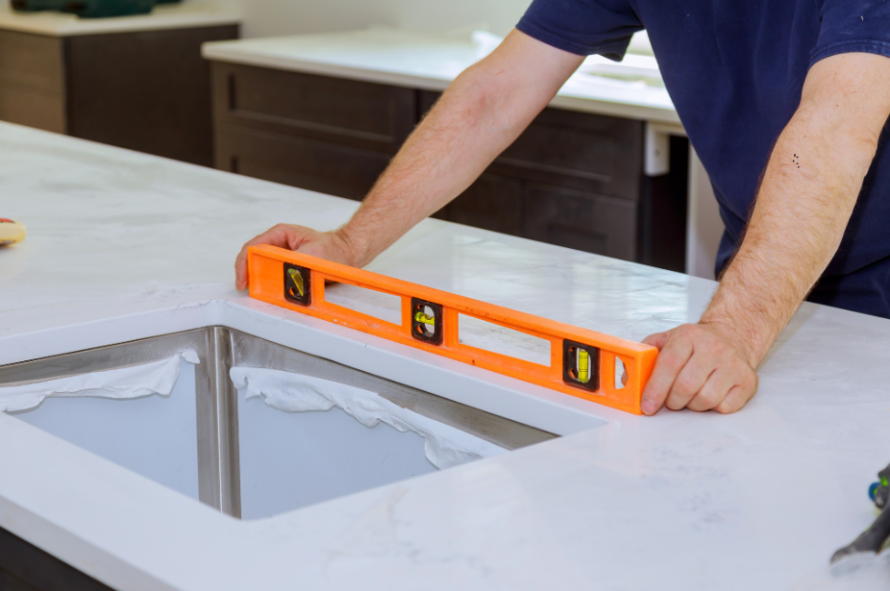
Installing a countertop on an uneven or unclean surface is a recipe for disaster. A poorly prepared base can lead to instability, cracking, or misalignment over time. Unfortunately, this critical step is often overlooked in DIY installations.
Best Practice: Ensure the surface is level, clean, and free of debris before beginning the installation. If the existing surface is uneven, use a leveling compound or seek professional assistance to prepare the base.
4. Improper Sealing
Failure to properly seal your countertop can lead to moisture seeping into the material, causing damage and mold growth. This is particularly true for natural stone countertops, which are porous and require regular sealing.
Prevention Tip: Apply a high-quality sealant to protect the countertop from water, stains, and daily wear. Follow the manufacturer’s recommendations for sealing frequency and technique.
5. Overlooking Plumbing Considerations
Installing a bathroom countertop often involves accommodating plumbing fixtures such as sinks and faucets. Homeowners sometimes forget to align the cutouts or fail to ensure that plumbing connections fit seamlessly.
How to Avoid: Plan for sink and faucet placement during the design phase. Double-check that cutouts match the dimensions of your fixtures, and ensure plumbing connections are accessible and properly sealed.
6. Using Inadequate Tools and Techniques
Countertop installation requires specialized tools and techniques. Using the wrong tools or employing improper methods can lead to uneven cuts, cracks, or even accidents.
Advice: Invest in high-quality tools or hire professionals who have the expertise and equipment needed for precise and safe installation.
7. Not Accounting for Backsplash Installation
A backsplash is often installed after the countertop, but some homeowners forget to leave enough space for it. This oversight can result in awkward gaps or the need for last-minute modifications.
Reminder: Include the backsplash in your planning and measurements. Ensure the countertop depth allows for seamless backsplash integration.
8. Ignoring Weight and Support Requirements
Countertops, especially those made from heavy materials like granite, require adequate support. Neglecting to account for weight and support can lead to structural damage or countertop failure.
Fix: Install appropriate brackets or reinforcements to support the weight of the countertop, particularly for overhangs or larger spans.
9. DIYing Beyond Your Skill Level
While DIY projects can save money, bathroom countertop installation is not always a beginner-friendly task. Lack of experience can lead to poor results, increased costs, and safety hazards.
Recommendation: Assess your skills honestly before deciding to DIY. If you’re uncertain, hire professionals offering bathroom remodeling services to ensure a high-quality installation.
10. Neglecting Maintenance Post-Installation
Even after a successful installation, neglecting countertop maintenance can shorten its lifespan. Many homeowners fail to clean and maintain their countertops regularly, leading to stains, scratches, and wear.
Solution: Follow care instructions for your specific countertop material. Clean spills promptly, avoid abrasive cleaners, and reapply sealants as needed.
Final Thoughts
Avoiding these common mistakes during bathroom countertop installation can save you time, money, and frustration. Whether you’re tackling the project yourself or hiring professionals for bathroom remodeling services, careful planning and attention to detail are key to achieving the best results. By investing in the right materials, tools, and expertise, you can create a functional and beautiful bathroom space that lasts for years to come.
Remember, a little preparation goes a long way in ensuring your bathroom countertop installation is a success. If you’re ever in doubt, don’t hesitate to consult professionals who can guide you through the process and deliver exceptional results.